.: PeMerGian SyaiKh AbduLLaH al-HaRari RohiMahuLLah :.  

Posted by blog dr.

e-mail : ceointerfirdaus@yahoo.com

Memperingati pemergian seorang ulama besar dalam bidang Hadis dan Fiqh. Seorang yang soleh, tawaddu', Syaikh Abdullah b. Muhammad Al Harary Rohimahullah, juga dikenali sebagai Al Habashiyy. Beliau telah menghembuskan nafasnya yang terakhir pada waktu subuh hari selasa bersamaan 2 Ramadan 1429 H -2 Sepetmber 2008.

Pemergian Syaikh Abdullah Al Harariyy Rohimahullah adalah satu kehilangan yang besar kepada kaum muslimin.

Semoga Allah memberikan limpah kurnia dan rahmatnya kepada beliau. Kamu telah menunjukkan kesolehan dan tawadukmu.

Beliau telah kembali ke rahmatillah hari ini Selasa 2hb Ramadhan 1429H : 2hb 9 2008.
selepas waktu subuh tadi waktu Beirut, Lubnan. Jenazah beliau disembahyangkan oleh ratusan ribu umat Islam di Masjid Burj Aby Haidar Beirut Lubnan petang itu waktu asar waktu Beirut Lubnan dan jutaan umat Islam diseluruh pelusuk dunia turut menunaikan solat jenazah ghoib buat Syeikh Al-Mujahid Abdullah Al-Harari kemudian jasadnya disemadikan berhampiran Masjid Burj Aby Haidar. Rahimakallah ya Syaikh ....

Pemergianmu satu kehilangan yang besar buat umat Islam pencinta sunnah.

Al-Fatihah....

عيد سعيد  

Posted by blog dr.

يأتي عيد الفطر بعد صيام شهر رمضان المبارك، ليفرح المسلم خاصة المالزيين هنا . ويشكر الإنسان ربّه على نعمة الصيام.والعيد هو يوم الجائزة من الله تعالى لعباده المؤمنين. يؤدّي المسلمون في صباح العيد بعد شروق الشمس بثلث ساعة تقريبًا صلاة العيدويلتقي المسلمون في العيد ويتبادلون التهاني و يزورون أهلهم و أقرباءهم، وهذا ما يعرف بصلة الرحم. كما يزور المسلم أصدقاءه ويستقبل أصحابه وجيرانه، ويعطفون على الفقراء.ماذا يأكل المسلم في صباح عيد الفطر؟يأكل المسلم بعض التمرات والحلاوات أو كعك العيد الطيب
عيد سعيد : أصدقائي كلهم أجمعين

.: UtuSaN RaYa :.  

Posted by blog dr.


نفـــــــحات العيد
إن الصوم عمل، والصائمون عمال.. يعملون في حقول الطاعة، يقضون أيام رمضان صبرًا على الظمأ، صدقًا في الإمساك عن الطعام رغم حاجتهم إليه. يقضون ليالي شهرهم بين قائم وساجد، وراكع وطائع، ومخبت وداعٍ، ونادم وباك، عمل متواصل في مجالات اليقين.. أدب.. أمل.. رجاء.. طمعًا فيما عند الله تعالى.. بعد عزوف عما عند الناس.. شوقًا إلى الباقي النفيس.. وإعراضًا عن الفاني الرخيص.. هذا الجد.. هذا الدأب.. هذا التحمل.. هذا التفاني في التقرب إلى الله، وبذل الجهد في أداء المطلوب..
هذا الفيض لا بد له من أجر من مولى العمل، دون إلزام ولكن تفضلاً وتكرمًا.
ونقرأ فيما يرويه الشيخان: "إذا كانت آخر ليلة من رمضان غفر الله لهم جميعًا". فقال رجل من القوم: هي ليلة القدر يا رسول الله. قال: "لا، ألم تر أن العمال يعملون فإذا فرغوا وفُّوا أجورهم".
هذا الأجر وهذا العطاء وهذا الفضل وهذا الإحسان ينهمر على الصائمين يوم العيد.. ألم تر أن العامل إذا أدى واجبه، فأحسنه وأتقنه، وقدم لك ما في وسعه لإرضاء صاحب العمل..
ويوم العيد.. عيد حقًّا.. ولا يُقبل القول الدارج بأن كل يوم يمر على الإنسان في خير فهو عيد.. لا يقبل هذا القول إلا تجوزًا.. فللأيام أسماؤها المشروعة.. فهذا يوم عيد الفطر.. وهذا يوم التشريق.. وهذا يوم عرفة ويوم عاشوراء.. وكل منها له فضله وقدره عند الله وعند الناس.. وقيم الأيام تهتز في تقديرنا إذا ما ترخصنا في إنزالها منزلتها..
إن مثل هذه الترخصات التي نستهين بها، مع مرور الزمن قد تفقد يوم العيد معناه، وقد يجرفنا هذا التساهل بكل ما يجب علينا فيها أو ببعضه ما دامت كل الأيام الطيبة عيدًا..
إن الناس ما داموا يتفاضلون بالتقوى.. وما دامت الأماكن تتفاضل بالمشاهد والمناسك.. فكذلك الأيام تتفاضل ولا شك..
فلا نغفل عن هذا الفضل ليوم العيد.
فاليوم يوم عيد.. يجمعنا فيه التوحيد، بالعاطفة والرأي السديد، فسر بقلبك على تحيات العرفان، وتجرد من شوائب القطيعة والانعزال، وتجمَّل مظهرًا، فقد جملتك نفحات رمضان مخبرًا.
شارك بحلو تحاياك في إزالة العبوس والانقباض من جباه المجهدين، وفرِّج بالفضل من مالك كرب المعوزين، حتى تتجلى فرحة العيد بين جميع المسلمين. اغد عيدك زائرًا أبًا أو أمًّا، أو أخًا أو أختًا، فكم تفتح طرقات ذوي الرحم على الأبواب من مغاليق النفوس، وتنشر البشر في جو العبوس، وتأسو الجراح، وتسد منافذ الشيطان.
اليوم عيد.. ابدأ مع أهلك.. بالبسمة الواسعة، ومع الأصدقاء والأحباب باللقاء الحار.. احْنُ على الصغار في الطرقات، وبادلهم التهاني بالعيد السعيد.. وقل للجميع.. سلام عليكم.. لا شقاق، ولا تنابذ، ولا غضب، ولا قطيعة.. فاليوم يوم الجميع.. يستمتعون بفيض السماء بعد نفحات رمضان على أرض المسلمين.
وإذا أخذ المسلمون العيد على هذا الجمال.. غير ناسين أن دينًا جمعهم على هذا الحب ووحَّدهم في هذا اللقاء.. يطالبهم اليوم بنظرة جديدة صافية في حالهم كأفراد.. ماذا أفادوا من رمضان.. وأي مراقي الخير وصلوا خلال الصيام.. فخرجوا من رمضان جسدًا واحدًا يألم سائره إذا تصدع فيه جزء، يطالبهم بالجد والعمل من أجل التخلي عن الضياع إلى الوجود.. وعن الغفلة إلى الانتباه.. وعن التفكك إلى التوحد.. وعن الهوان إلى العز..
عودوا إلى دينكم يوم عيدكم.. فقد حان وقت اليقظة، وإلا فإنها لن تجدي بعد فوات الأوان..!
إن المتآمرين من جميع أركان الأرض يتآمرون على دينكم.. لا من غير أبناء دينكم فحسب.. بل ومن بعض المسلمين.. وإنهم لشر على الإسلام من الناس أجمعين... فالبداء – البداء – فما بعد ما أنتم عليه إلا الوبال وسوء المآل.
أعاد الله العيد على المسلمين جميعًا.. وقد تبوءوا المكانة التي أعدها الله لهم يوم أخرج أباهم من الجنة ليستخلفه وذريته على الأرض.. كي يورثهم الجنة.. فكونوا أحرص عليها، وأشد طلبًا لها، وأعمق شوقًا لنعميها.. حامدين الله الذي صدقكم وعده، وأورثكم الأرض تتبوءون من الجنة حيث تشاءون. والحمد لله رب العالمين.
وكل عام في سعادة.. وكل لحظة في عبادة.. وكل خطوة إلى سيادة.. وكل عمل إلى زيادة.. وكل هدأة في رفادة.. حتى إذا ما سعدتم بعد طول العمر في القدوم إلى ربكم.. رأيتم عوارف الجود، وحسن الوفادة.. سلام عليكم طبتم فقوموا لله قانتين.
بقلم : النيلين

.: HaTi DaN JaNtUnG :.  

Posted by blog dr.

.: MaSjIdiL HaRam & BuMi :.  

Posted by blog dr.


Kalimah Allah di Tanah Africa, di lihat dari satelit.


.: RaMaDhAn In EgYpT :.  

Posted by blog dr.


e-mail : ceointerfirdaus@yahoo.com

Lanterns of Light

For Muslims around the world, the holy month of Ramadhan is a time when people fast between dawn and sunset, perform more prayers, read more Qur’an, give more sadaqah (voluntary charity), and worship more than at any other time during the year.

Muslims around the world perform the same types of worship in the same way. However Ramadhan traditions vary from one country to another, and even from town to village. For Egyptians, the holy month of Ramadhan is the most special occasion of the year. The saying goes, ‘If you haven’t seen Ramadhan celebrated in Egypt then you haven’t seen celebrations!’

Morning Drums

Before dawn, the Musaharti starts his job. The Musaharati is the person who wakes people up to have their Sahur (pre-dawn meal). Walking in the streets drumming on a small drum, sometimes singing and sometimes shouting, he ensures everybody wakes up for Sahur.

Ramadhan Specials

A few days before the start of Ramadhan, and every day during the holy month, streets get very busy with people rushing to buy Ramadhan specialities. The artistic pastries, cookies and cakes such as Konafah, Basbousah, and Katayef were first introduced by the Fatimids, and are available everywhere. Qamar Eldin (apricot juice) crowns every table in every home, in addition to Medamis (fava beans), Zabadi (yoghurt) and delicious and colourful jars of Torshi Baladi (home-made pickles).

Charity Corners

In some parts of the country, especially in large cities like Cairo, social solidarity is expressed in the form of “charity banquets”. Wealthy businessmen pay their Zakat (compulsory charity) by providing food for the poor and passers-by who cannot afford the means to break their fast. Almost every street corner has tables and chairs set up with free food for anyone in need.

Iftar Cannons

As the sun sets over the old city of Cairo, a great silence falls. Suddenly, the roar of four ancient cannons in Saladin Citadel shakes the whole city, announcing Iftar (break of fast). Thousands of mosques call the faithful to Maghreb prayer, the adhaan ringing out of loudspeakers, radios, and televisions to shatter the silence.

Mosques are full of worshippers at the five times of prayer, especially during Taraweeh prayers. You can hear the beautiful sound of ‘Allahu Akbar’ (God is Most Great) wherever you go.

Fantastic Fanous

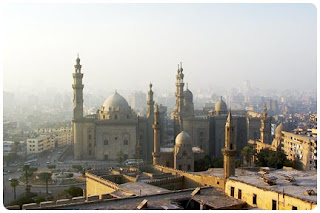
During Ramadhan the many ancient mosques and medieval neighbourhoods of Cairo are all decorated with fanous ramadhan (Ramadhan lanterns). Every mosque, building, street, lane and alley is lit up.

The traditional fanous are shaped from tin, wire rings and coloured glass, and lit by a candle. Plastic battery-operated versions are available these days, but they lack the charm of the original.

There are many different stories about the origins of the fanous. The most interesting story dates from the reign of the Fatimid Caliph, Al-Hakim Bi-Amr Allah. Apparently women were only allowed to go outside their homes during Ramadhan, and they were preceded by a little boy carrying a copper lantern so that men in the streets would move away. But even after the laws were relaxed, people liked the lanterns so much that their children would carry them in the streets every Ramadhan. Since then, fanous has always been an integral part of Ramadhan in Egypt.

However, the most probable origins of fanous were described by Al-Maqrizi. He traces it back to the Coptic Christians who celebrated Christmas by decorating the streets of ancient Egypt with colourful candles. The tradition of celebrating with lights goes back even further to the torches used by the Ancient Egyptians, which was continued by the Coptics using candles, and endures today with Fanous Ramadhan.

Egyptian Eid

After 30 days of fasting for Ramadhan, Egyptian Muslims celebrate Eid al-Fitr in grand style. A cannon is fired at dusk, launching three days of festivities in which people wear new clothes, visit friends and family, prepare huge feasts and give charity to the poor.

The transport systems are jammed with people traveling back to their families. Felucca (sailboat) rides on the river Nile are a special feature of Eid celebrations around Cairo.

A central part of Eid celebrations is delicious food. Egyptian bakeries and stores are filled with kahk, cookies filled with nuts and coated in powdered sugar. Special Eid dishes also include qatayaf, (stuffed pancake dessert), kanafeh (dessert made from cheese, shredded wheat, & sugar syrup), koshary (a rice and pasta dish), and mahshee (various stuffed leaves or vegetables).

By : Usama Bastawy

.: GaMbAr Ka'AbAh :.  

Posted by blog dr.